

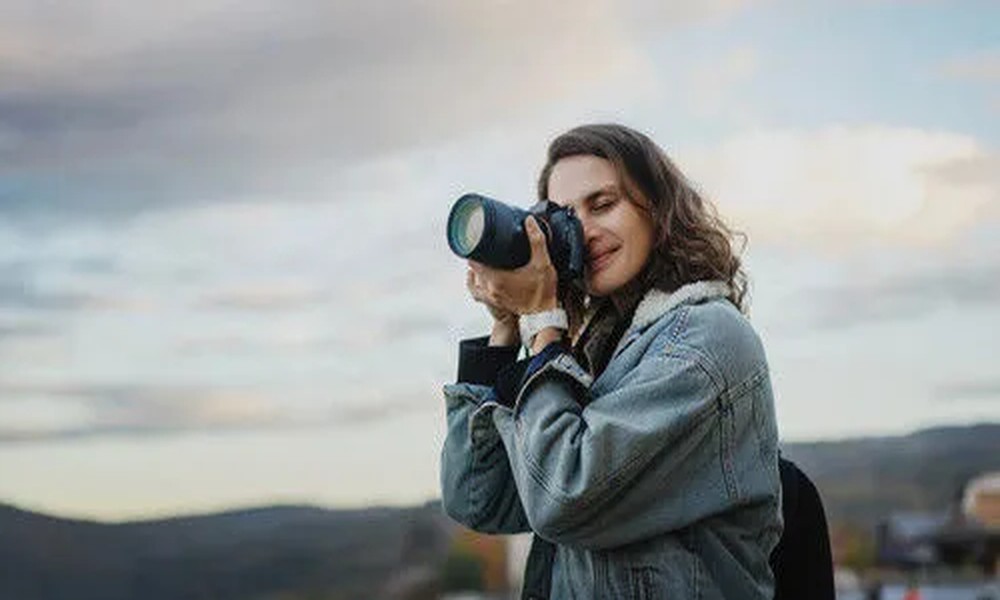
Stepping in front of the camera can feel daunting. Many people experience a flutter of nerves before a session. Yet, experienced photographers emphasise that the most stunning photos come from subjects who are relaxed and self-assured.
This confidence stems directly from thorough preparation. When an individual or team understands what to expect and how to collaborate with their photographer, the entire process becomes smoother. The resulting images capture authentic personality and a strong professional presence.
This guide serves as a comprehensive resource for anyone preparing for a portrait or corporate session. It demystifies the process by outlining fundamental steps. Readers will discover how simple preparation transforms apprehension into ready confidence.
The advice covers essential elements like wardrobe selection, colour coordination, and lighting optimisation. It also addresses common last-minute queries. The goal is to empower subjects by focusing on the elements they can control. This collaborative approach between the person being photographed and the person behind the camera is what defines successful photography.
By following evidence-based recommendations, anyone can significantly improve their outcomes. This holds true regardless of their previous experience with professional photography.
Key Takeaways
- Thorough preparation is the foundation for feeling confident and relaxed during a session.
- Successful photography relies on a collaborative partnership between the subject and the photographer.
- Thoughtful choices regarding wardrobe and colour have a major impact on the final image.
- Understanding basic lighting principles helps subjects feel more comfortable and photogenic.
- Addressing practical concerns beforehand reduces anxiety and allows for a more enjoyable experience.
- Actionable, pre-session advice leads to final photos that individuals are genuinely proud to display.
Preparing for Your Photoshoot Journey
Effective planning transforms a photoshoot from a stressful event into a creative collaboration. The way you prepare mentally and logistically has a direct impact on your comfort and the final images.
Investing time in this phase is crucial. It allows both the subject and the photographer to align their vision for the session.
Setting Goals and Mood
Before the day arrives, define what you want to achieve. Is the goal to project authority, approachability, or creative energy?
Clear objectives give the photographer a roadmap. This clarity streamlines the entire process.
Building a connection beforehand is a powerful tool. Renowned photographer Annie Leibovitz often spends a full day with subjects before the shoot to build rapport.
A simple pre-session call can achieve a similar trust. It reduces awkwardness when you meet.
Understanding Your Brand and Image
Your visual output should reflect your core identity. Whether personal or corporate, the photos must feel authentic.
This alignment ensures the imagery remains useful across platforms for a long time. It makes the effort truly worthwhile.
Planning details in advance is a client‘s secret weapon. Decide on outfits and locations before the session.
This avoids decision fatigue, a real phenomenon where too many choices lowers judgement quality. You’ll feel sharper and more confident.
Make sure to discuss any specific concerns with your photographer early. They can then use lighting and angles to address them professionally.
Pre-Shoot Planning: Oversights vs. Best Practices
| Common Oversight | Recommended Action | Primary Benefit |
|---|---|---|
| Vague or undefined goals for the session | Write down 3-5 specific objectives and desired moods | Provides clear direction and saves time on the day |
| Meeting the photographer for the first time on shoot day | Schedule a brief introductory call or meeting beforehand | Builds familiarity and trust, leading to more natural expressions |
| Choosing outfits and props at the last minute | Lay out all clothing and items the night before | Eliminates decision fatigue and ensures a polished look |
| Keeping concerns about angles or features to oneself | Communicate preferences and any self-conscious points in advance | Allows the photographer to plan flattering compositions proactively |
Creating the Perfect Environment with Lighting and Backdrops
Lighting and backdrops form the silent foundation of every compelling photograph. The choices made here directly shape the mood and technical quality of the final images.
Optimising Natural Versus Artificial Lighting
Many photographers favour natural light, especially the gentle glow of morning. This illumination is soft and flattering for skin tones.
Artificial studio lighting offers total control. It ensures consistent results for every shot. However, this light can make skin appear shiny.
Subjects on warmer days may need powder. A skilled photographer positions the lighting to avoid harsh shadows. This creates dimension in a flattering way.
Choosing the Right Background for Colour Contrast
The background must provide visual separation. This stops the subject from blending into the setting.
A light blue or aqua background creates excellent contrast. It works well with dark greys, navy, and warm colours like burgundy.
This strategic choice makes the person pop in the final shots. It leads to more striking and professional-looking images.
Professional Photoshoot Tips: How to Capture Your Best Image
The most compelling headshots often emerge after a period of adjustment and rapport-building. Capturing your best image is less about perfect technique and more about mental readiness.
Building Confidence through Preparation
Experienced photographers observe a clear pattern. The initial photos often feel awkward, but quality improves dramatically once subjects relax.
This warming-up period is crucial for authentic portraits. Many photographers dedicate time to conversation before lifting the camera.
This practice builds essential trust. It transforms the session from a performance into a collaborative process.
For corporate headshots with limited schedules, advance preparation is vital. Knowing what to expect minimises nerves when time is short.
Seeing images in real-time allows for immediate feedback. The photographer can then adjust their approach to capture what works best.
From Anxiety to Assurance: Building Photoshoot Confidence
| Common Anxiety | Practical Strategy | Expected Outcome |
|---|---|---|
| Feeling stiff and self-conscious in front of the camera | Schedule a brief pre-session chat with your photographer | Reduced awkwardness, leading to more natural expressions from the start |
| Worrying about unflattering angles or poses | Review test shots together and provide clear feedback | The photographer can focus on your best angles, creating more headshots you love |
| Having only a few minutes for a corporate headshot | Plan your outfit and practise expressions beforehand | You arrive feeling prepared and confident, maximising results in a short time |
Wardrobe and Styling Advice for a Flattering Look
The clothing you wear in a portrait session acts as a powerful visual frame for your face and personality. Thoughtful wardrobe selection dramatically impacts how flattering and polished the final images appear. The right choices enhance natural features rather than creating distractions.
Choosing Outfits that Complement Your Complexion
Understanding basic colour theory helps individuals look good. Dark colours, like navy or charcoal, create a slimming effect. They ensure the face remains the dominant element.
Light colours project friendliness and approachability. They work well for consultants and service providers. Bright accents convey confidence and energy.
These bold choices often suit darker complexions beautifully. Those with lighter skin tones may find muted palettes more complementary. The goal is to choose a colour that harmonises with your skin, hair, and eyes.
Accessorising Without Overpowering Your Look
Accessories should enhance your style subtly. Heavy necklaces or busy patterns can pull attention away from your expression. Minimal, understated pieces are usually the safest way.
Layering garments, like a jacket over a shirt, adds visual depth. It also provides natural hand positions during the session. This simple technique offers multiple looks without a full costume change.
Finally, ensure clothing fits properly. Garments should be comfortable yet tailored. Clean lines photograph beautifully and create a professional impression.
Expert Advice from Red Square Imaging
What truly separates memorable portraits from ordinary ones often lies in the guidance received beforehand. Studios like Red Square Imaging provide comprehensive support, helping clients prepare thoroughly.
This detailed preparation is the key to images that exceed expectations. Skilled photographers understand that successful photography requires making subjects feel at ease.
They transform common anxiety into positive anticipation. This is done by answering questions and setting clear expectations from the start.
Expert advice stems from capturing countless portraits. Photographers learn which preparation steps consistently lead to images clients love.
Informed clients naturally perform better in front of the camera. This actionable guidance covers the entire experience, from planning to final selection.
Approaches to Portrait Photography Guidance
| Standard Approach | Expert-Led Guidance | Client Benefit |
|---|---|---|
| Minimal pre-session communication | Detailed consultation to understand unique goals | Images that authentically reflect personal or brand identity |
| Starting the session immediately | Dedicated time to build rapport and reduce nerves | A more relaxed, natural expression from the first frame |
| Generic posing and direction | Strategies tailored from observed, proven techniques | Flattering compositions that highlight the subject’s best features |
| Focus solely on the shoot day | Holistic support through wardrobe, session, and selection | A seamless, supported experience from start to finish |
This comprehensive method ensures clients feel confident and supported throughout. The result is a collection of portraits they are genuinely proud to display.
Strategic Use of Colour and Contrast in Photography
Colour acts as a silent language in photography, directly influencing the mood and focus of an image. Strategic choices transform wardrobe selection from guesswork into a powerful tool. They create visually striking portraits that keep appropriate focus on the face.
The colour wheel provides a simple framework for this process. It explains which colours match well together for different effects.
Understanding Colour Theory for Powerful Portraits
Colours directly opposite each other on the wheel create strong colour contrast. Think blue and orange or purple and yellow. This visual tension makes portraits dynamic and helps the subject stand out from the background.
Colours adjacent to each other are complementary. They flow together harmoniously. This principle is ideal for coordinating different layers within a single outfit.
The strategic aim is contrast with the setting, but harmony in the clothing itself. This ensures a person appears cohesively styled yet distinct.
Balancing Bold and Neutral Tones
Neutral colours like grey, black, and white function as versatile wild cards. They work well with virtually any background colour. These foundation pieces can be safely accented with bolder choices in accessories.
Very bright, saturated colours can dominate a portrait. They may pull attention from the face and introduce unflattering casts to skin. This is especially true with artificial lighting.
Muted colours and pastels typically photograph more successfully for most sessions. They create sophisticated images that remain timeless, avoiding a dated look as trends evolve.
Grooming, Hairstyle and Makeup Essentials
In the high-definition world of modern photography, a subject’s preparation extends far beyond their choice of outfit. Seemingly minor grooming details become magnified under the camera’s scrutiny. Close-up images reveal every stray hair and skin texture with unforgiving clarity.
Attention to these elements separates amateur-looking photos from polished, professional portraits. Subjects feel more confident sharing results across business platforms.
Preparing Your Hair and Managing Shiny Skin
Hair should appear smooth and full-bodied, like a shampoo advert. Avoid straggly strands or messy edges. A good brush restores neatness after wind or travel.
Schedule haircuts 3-5 days before the session. This allows time to get used to styling the new look. It ensures the hair appears natural in the final image.
Studio light can make skin appear shiny or sweaty. This is especially true in summer. A light, translucent powder applied just before shooting eliminates this glare.
Oil-absorbing sheets offer an alternative for those avoiding makeup. The goal is a matte finish that helps you look good. Shiny skin is notoriously tough to correct in editing.
Make sure your eyes remain the focal point. Push glasses firmly back to reveal them fully. Frames often slip down, partially covering the eyes.
Clean lenses and frames are essential. Dust and fingerprints become prominent distractions. Make sure to remove glasses well in advance if you won’t wear them for the photo. This allows red marks on the nose to fade.
Makeup should enhance natural features. A dramatic, evening look rarely works for a corporate portrait. The aim is polished authenticity that translates beautifully through the lens.
Grooming Oversights and Professional Solutions
| Common Oversight | Professional Preparation Step | Impact on Final Image |
|---|---|---|
| Arriving with wind-blown, unkempt hair | Brush and smooth hair thoroughly before the session | Ensures a polished, full-bodied look that appears intentional |
| Shiny skin under bright studio lights | Apply translucent powder or use oil-absorbing sheets | Creates a flattering matte finish, eliminating difficult-to-edit glare |
| Glasses with smudged lenses or frames slipping down the nose | Clean lenses and push frames back firmly to reveal eyes | Keeps the eyes clear and engaging, removing visual distractions |
| Applying dramatic, heavy makeup unsuitable for close-ups | Opt for natural makeup that enhances rather than transforms | Results in an authentic, professional portrait that ages well |
Advice for Effective Group and Corporate Shoots
When a company schedules headshots for its entire staff, the outcome must reflect a unified brand identity. Photography sessions for multiple people require careful planning to ensure visual harmony.
This cohesion strengthens how a business presents itself to clients and partners. The work invested in coordination pays off in powerful, consistent imagery.
Coordinating Wardrobes for Consistent Branding
The right attire depends entirely on the business context. A law firm’s headshots demand formal wear to convey trust.
A tech start-up might opt for smart casual to reflect its culture. The key is aligning clothing with the company‘s public image.
For team portraits, coordinate colours across all people. Choose a palette of either warm or cool tones. This creates cohesion without forcing identical outfits.
Consider where the images will be used. Formal headshots for the corporate website need a conservative approach.
Social media images can be more relaxed. This helps a brand connect better with its audience.
Establishing a simple style guide for photography is a smart move. It specifies preferred colours and formality levels.
This guide ensures consistency for future sessions as new team members join. It makes the photographer’s work much more efficient.
Group Wardrobe Coordination: Common Pitfalls vs. Effective Strategies
| Common Mismatch | Coordinated Strategy | Brand Benefit |
|---|---|---|
| Team members wear vastly different levels of formality (e.g., suit next to t-shirt). | Set a clear dress code (business formal, business casual) aligned with industry standards. | Projects a unified, professional image that reinforces the company‘s culture and values. |
| One individual wears a bright, attention-grabbing colour while others wear neutrals. | Select a cohesive colour family (e.g., all cool tones like blues and greys) for everyone. | Ensures the group is viewed as a team, with no single person unintentionally dominating the image. |
| No guidance leads to clashing patterns and colours that distract from faces. | Provide a brief specifying solid colours and advising against busy, large patterns. | Creates a clean, focused portrait where the people, not their clothes, are the highlight. |
| Images intended for the website look too casual, undermining authority. | Tailor styling to the platform: formal for official business channels, relaxed for social media. | Delivers the right brand message to each audience, building trust with clients. |
Quick Fixes for Last-Minute Adjustments from Red Square Imaging Uk
The final hour before a photography appointment is often when small, overlooked details suddenly demand attention. Even with great planning, unexpected things can happen on the day. Knowing a few quick solutions helps manage these moments smoothly.
This practical advice ensures minor issues don’t compromise your session’s success. It puts control back in your hands during those crucial final minutes.
Preparing for Unexpected Challenges
A photographer hasn’t met you before. They don’t know what you normally look like. This makes a final mirror check an essential thing.
Inspect your hair, teeth, and accessories. Make sure necklaces sit right and ties are straight. Look for visible top buttons or food in teeth.
Steam or iron clothes the night before. Wrinkles are tough to edit out later. Change into your session outfit at the location to keep it fresh.
If you’re unsure about an outfit, bring it anyway. The combination you like might look different under studio lights. Having options is smart.
For men, a belt cleans up the waistline of a tucked-in shirt. It’s a simple thing that makes a big difference. Allocate extra time on the day for these checks.
Rushing means overlooking details. Taking a moment to prepare allows the photographer to focus on capturing your best expression. The team at Red Square Imaging Uk notes this self-inspection is a mark of a prepared person.
Common Last-Minute Concerns and Immediate Actions
| Last-Minute Concern | Immediate Action | Result |
|---|---|---|
| Wrinkled clothing from travel or storage | Use a portable steamer or hang garment in a bathroom with hot shower steam for 10 minutes. | Garment looks crisp and professional, saving extensive post-production time. |
| Hair looking flat or windswept before the shoot | Carry a small brush and light-hold hairspray for a quick restyle. | Hair appears full and intentional, avoiding a dishevelled look in photos. |
| Shiny skin under bright studio lights | Blot with oil-absorbing sheets or apply a light dusting of translucent powder. | Creates a flattering matte finish, eliminating harsh glare. |
| Uncertainty about which outfit photographs best | Bring 2-3 pre-approved options on hangers for a quick final opinion. | Ensures you wear the most flattering choice, boosting confidence during the shoot. |
| Accessories (ties, necklaces) sitting crooked | Do a final alignment check in a mirror and secure items with a small piece of double-sided tape if needed. | Creates a polished, symmetrical look that requires no fixing later. |
Conclusion
Great images are not captured by chance. They are crafted through deliberate preparation and skilled collaboration.
This article has shown how every part of the process works together. From understanding light and background to choosing the right style, small details create a big impact.
The photographer guides the technical side, but the person in front of the camera brings their own readiness. This partnership is key for authentic portraits.
Confidence comes from knowing what to expect. Applying this advice makes any session less stressful and more productive.
Whether for a corporate headshot or personal portrait, the investment pays off. You will get shots that truly represent you for years to come.







Discussion about this post