

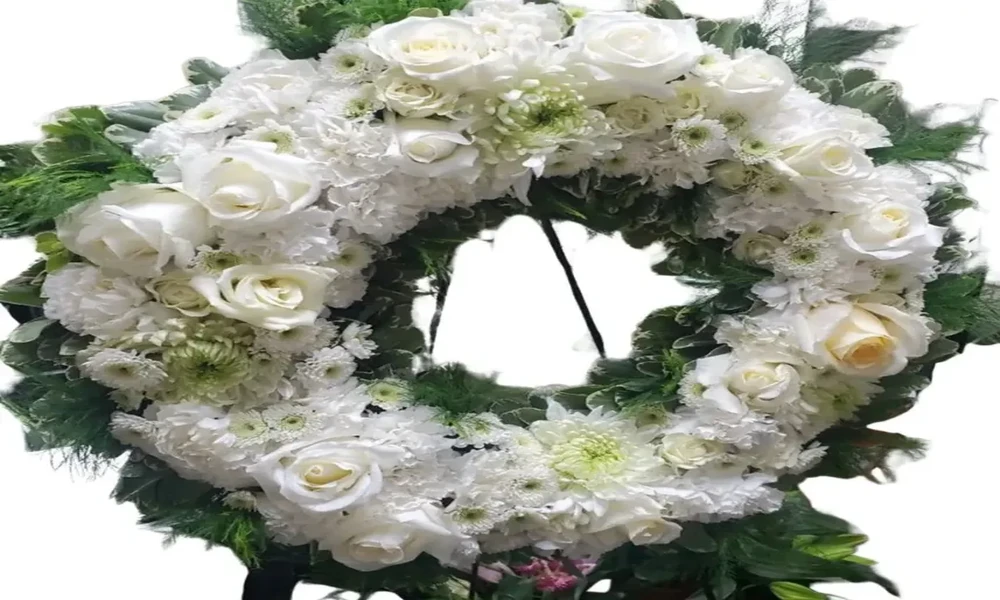
Although the terms are frequently used interchangeably, funeral flowers and sympathy flowers often have different intended destinations. Funeral arrangements are generally delivered to a funeral home, church, or memorial venue. They may be displayed near the service area to honor the deceased and contribute to a respectful atmosphere.
Sympathy flowers, meanwhile, are commonly sent directly to grieving family members. These arrangements provide a personal gesture of comfort and can remain in the recipient’s home after the service. Understanding this distinction helps prevent confusion when ordering. A large standing spray may be suitable for a memorial ceremony but impractical for someone living in a small apartment. The most appropriate arrangement depends on the relationship, location, and family’s preferences.
Selecting Floral Tributes for Memorial Services
Different memorial settings call for different floral presentations. Before choosing an arrangement, consider the available display space and whether the flowers will accompany a formal ceremony.
Common options include:
- Standing sprays: Upright arrangements displayed on easels, often near the memorial area.
- Floral wreaths: Circular designs traditionally associated with remembrance and continuity.
- Casket sprays: Prominent arrangements generally selected by immediate family members.
- Floral baskets: Versatile displays suitable for certain memorial settings or family residences.
Each design offers a different level of formality.
If the service is being organized by close relatives, checking their preferences before ordering an elaborate tribute demonstrates consideration.
Choosing Colors That Reflect Remembrance
White flowers remain a traditional choice for condolences because they create a calm, understated appearance. Lilies, roses, carnations, and chrysanthemums are frequently incorporated into sympathy arrangements. However, memorial flowers do not need to follow a particular color scheme. For someone remembered for an energetic personality, warm colors may create a meaningful tribute. Soft pink flowers might reflect affection, while purple arrangements can add a dignified visual character.
Personal significance should guide these decisions more than rigid interpretations of floral symbolism. If the deceased had a favorite flower or color, incorporating it into the arrangement can create a connection to cherished memories. Seasonal availability should also be considered because individual flower varieties may not always be obtainable.
Sending Comfort Directly to Someone’s Home
Home deliveries require slightly different considerations from ceremonial arrangements. People exploring Sympathy flowers Roswell may prefer a modest vase arrangement, a mixed bouquet, or a suitable potted plant for someone experiencing a loss. Smaller arrangements are often easier to accommodate, particularly when a household is receiving visitors or managing funeral preparations.
A ready-to-display arrangement can also reduce the effort required from the recipient. Before arranging delivery, consider whether the family has requested donations instead of flowers. Religious customs, cultural traditions, and personal preferences may also influence what is appropriate. Respecting these wishes is more important than following conventional gifting expectations.
Paying Attention to Timing and Delivery Details
Sending flowers before a memorial service requires accurate information. Confirm the venue’s address, service date, and delivery instructions. When sending flowers to a funeral home, include the deceased person’s name to help staff identify the intended service. Home deliveries deserve similar attention. A grieving family may be away from home attending services, so arranging a suitable delivery date can prevent inconvenience.
Flowers sent after the funeral can be equally thoughtful. Support is often appreciated in the weeks following a loss, when immediate gatherings and formal ceremonies have ended. There is no requirement for every condolence gesture to arrive before the memorial service.
Adding a Personal Message
A thoughtful card can make a floral tribute feel more personal. The message does not need to be lengthy or elaborate. Simple words acknowledging the loss and expressing support are often sufficient. Sharing a brief, positive memory can be appropriate when the sender knew the deceased personally.
Avoid language that minimizes grief or suggests how quickly someone should recover. Compassionate messages should recognize the recipient’s feelings without imposing expectations. Above all, sincerity matters more than formal wording.
Conclusion
Choosing sympathy flowers involves balancing personal meaning, appropriate presentation, and respect for grieving families. Whether flowers are intended for a memorial ceremony or a private residence, thoughtful details help communicate genuine compassion.
For those considering floral tributes in Marietta and surrounding communities, flowersofmarietta.com offers funeral and sympathy arrangements suited to different occasions. A carefully chosen floral gesture can provide a gentle reminder of support during a difficult time.







Discussion about this post